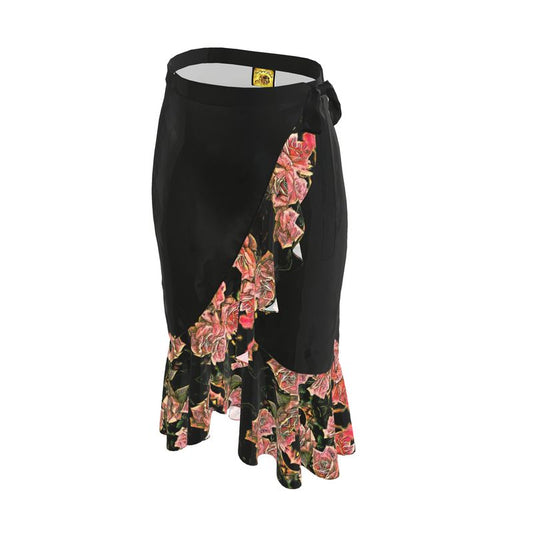
收藏: Floral Embosses (06): A Study in Adom and Argaman
This interpretation examines the collection Floral Embosses (06) through a traditional Hebrew lens, focusing on the dialogue between the earthly and the exalted. By centering on the titles Adom & Argaman, the series explores the journey from physical vitality to refined dignity.
I. The Series Core: Floral Embosses (06)
The overarching title sets the stage for a study in Tzura (Form) and Chiddush (Renewal). The "embossed" style suggests that these forms are not merely painted but carved into the fabric of reality—much like the engravings (Cherut) on the Tablets of Stone.
-
Art Style: The style utilizes high-contrast Chiaroscuro combined with a heavy, tactile texture. This mirrors the Hebrew concept of Tohu (the dark void) being shaped into a structured, rhythmic garden.
-
The Shoshannah Motif: Centered on the rose/lily, the design evokes the botanical symbolism of the Shoshannah. In Hebrew thought, this flower represents resilience—remaining beautiful and symmetrical even when surrounded by the "darkness" of the background.
II. Adom (06-01): The Physical Mirror
The first variation, Adom, anchors the collection in the tangible world.
-
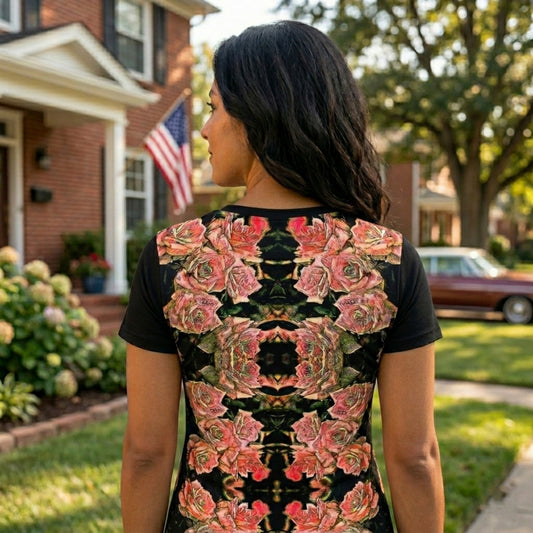
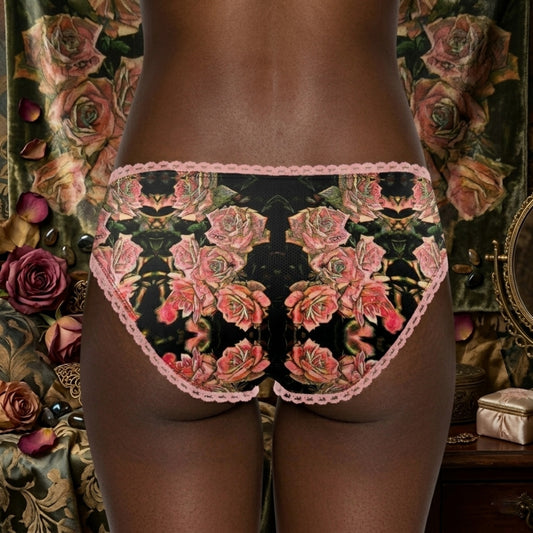
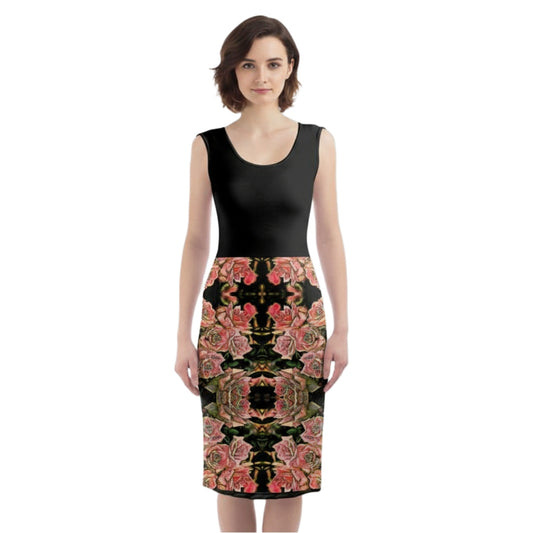
Design Color Theme: Deep Corals, Terracotta, and Crimson.
-
Interpretation: The title "Adom" shares a root with "Adam" (Man) and "Adamah" (Earth/Soil). This piece represents the "Physical Mirror"—the reflection of human life in its most raw, vital state.
-
The Mirroring: The perfect vertical and horizontal symmetry represents the Ezer Kenegdo (the corresponding help). It suggests that physical life is balanced and purposeful, with every "petal" of human experience finding its counterpart in the natural order. It is the "fire" of the hearth and the blood of life.
III. Argaman (06-02): The Noble Reflection
The second variation, Argaman, elevates the theme from the soil to the sanctuary.
-
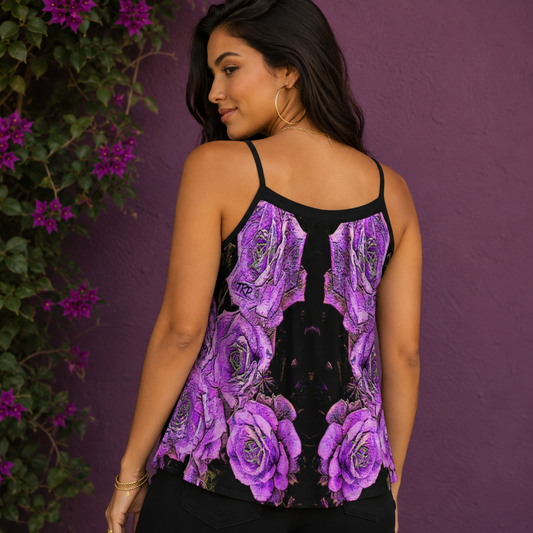
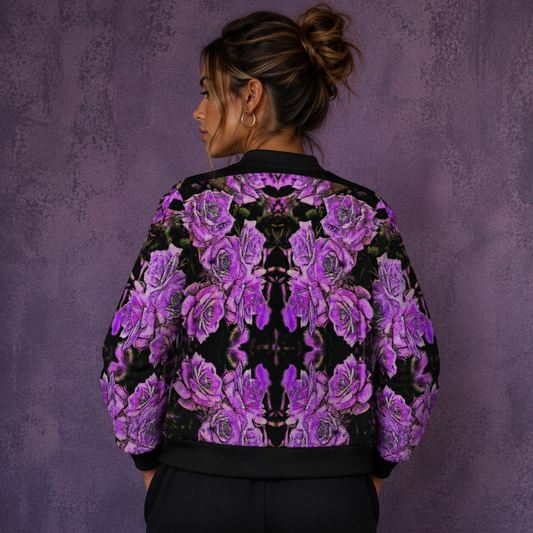
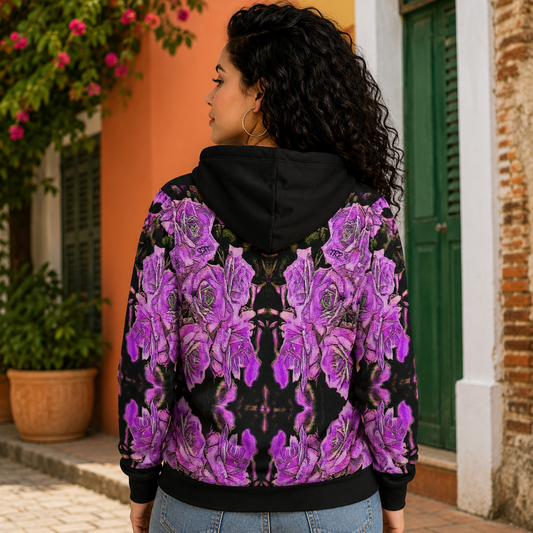
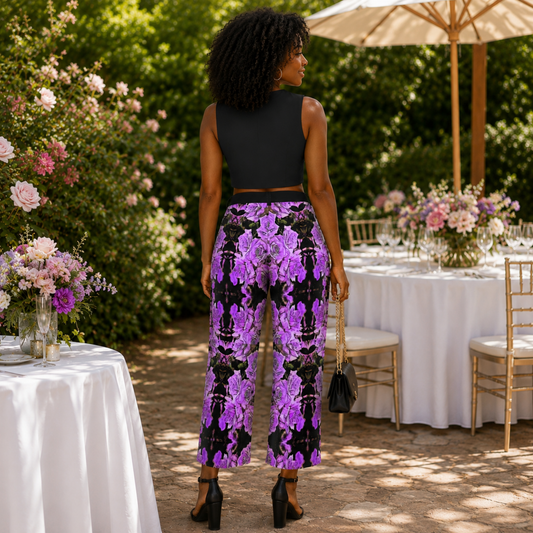
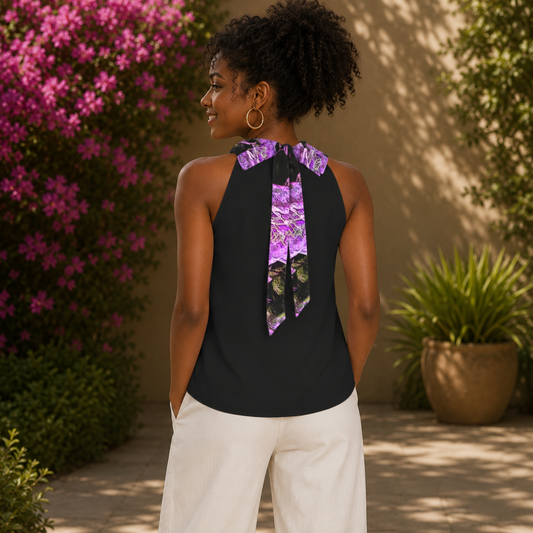
Design Color Theme: Royal Violet, Electric Purple, and Magenta.
-
Interpretation: In the Hebrew tradition, Argaman was the precious purple dye reserved for the Tabernacle curtains and royal garments. By titling this The Noble Reflection, the series suggests a transition from the biological to the spiritual.
-
Sanctification: While the forms remain the same as in Adom, the shift to purple signifies a refinement of character. It is the same life force, but now viewed through the lens of Malchut (kingship) and Kavod (honor). The "reflection" here isn't just of the earth but of a higher, more dignified calling.
IV. Technical Symmetry and Structure
Across both pieces, the "06" in the title resonates with the Hebrew number Shesh (Six).
-
Creation: Six represents the days of physical creation. The hexagonal clusters within the floral patterns emphasize that this beauty is an organized work.
-
Chiasm: The art style creates a visual chiasm (a mirrored structure common in Hebrew poetry). This structural choice reinforces the idea that the universe operates on a system of "action and reflection"—where every earthly movement (Adom) has a noble echo (Argaman).
Summary of the Aesthetic: The collection serves as a visual midrash on existence: we begin in the red clay of the earth (Adom) and strive to reflect the noble purple of the sanctuary (Argaman), all while maintaining our form against the dark unknown.