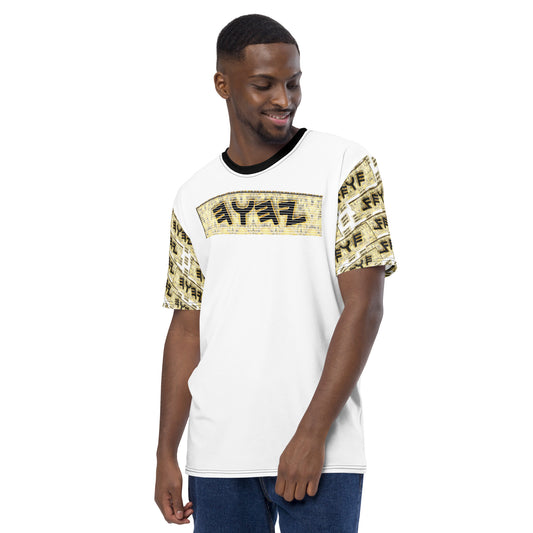
Colección: Tetragrammaton Tiling: Maximalist Monarchy
Ancient Paleo-Hebrew Art
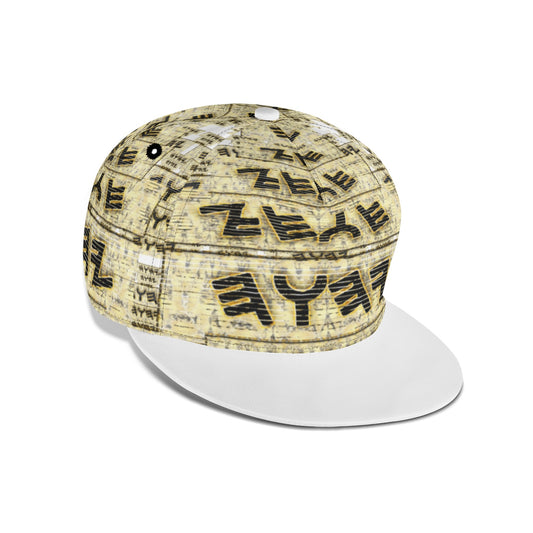
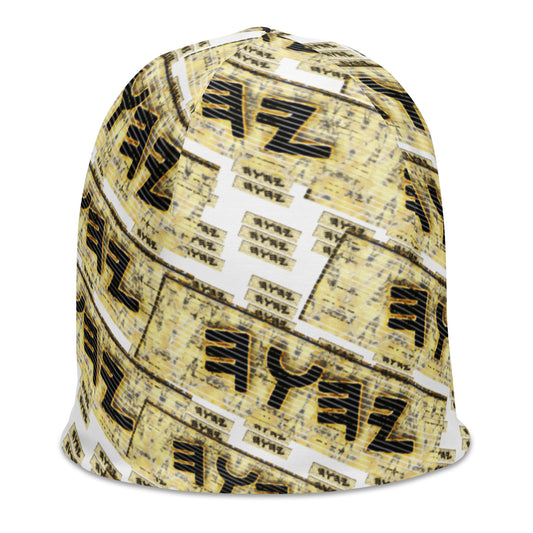
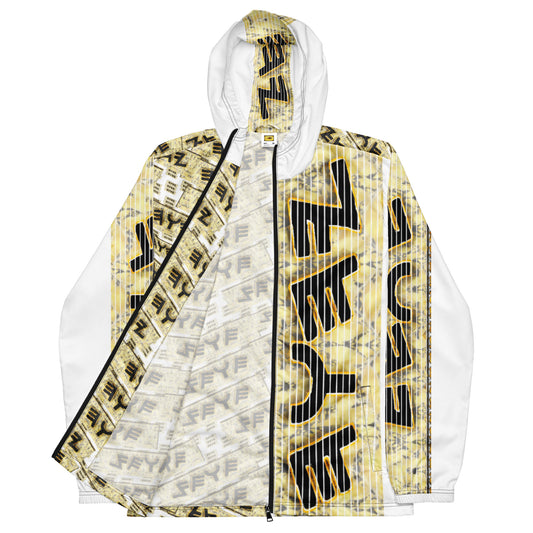
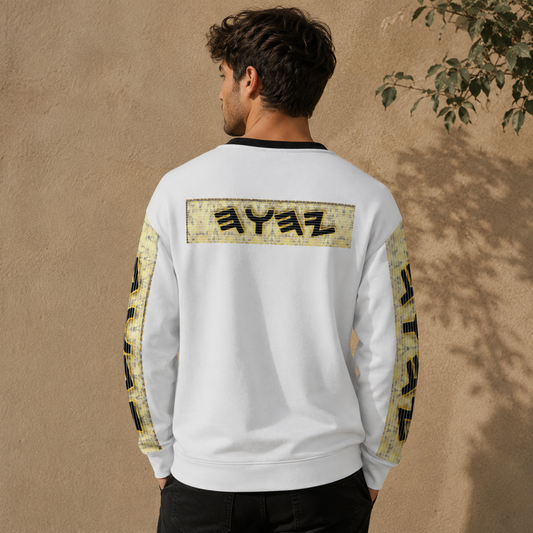
This design features a prominent rendering of the Tetragrammaton in Paleo-Hebrew script (the ancient Phoenician-style script used in the First Temple period). Interpreting this from a strictly Hebraic perspective, the focus remains on the structural and linguistic weight of the four characters: Yod (𐤉), He (𐤄), Waw (𐤅), and He (𐤄).
Linguistic & Symbolic Interpretation
In an ancient Hebrew context, this script represents a shift away from later standardized block lettering toward the foundational, "pictographic" roots of the language.
-
The Script: By using Paleo-Hebrew, the design emphasizes an ancestral continuity. It evokes an era of monumental inscriptions and seals, suggesting a "Theocratic" authority that predates the Babylonian exile.
-
The Arrangement: The repetition and mirroring in the patterns (images 2-4) suggest the omnipresence of the Divine Name. The inversion and layering of the text create a visual "wall" or "shield," consistent with the concept of the Name as a strong tower or a protective seal.
-
The Theme: This is a celebration of Scriptural Sovereignty. It moves away from modern cultural or mystical interpretations to focus on the raw, ancient identity of the Creator as expressed through the original Lashon (Tongue).
Art Style: Modern Maximalism
The design is a prime example of Modern Maximalism blended with Digital Symbolic Realism. It rejects minimalism in favor of complexity, texture, and density.
-
Layering: The design uses "tiling" and "cataloging" techniques, where the sacred name is treated as a foundational element of a larger, architectural whole.
-
Texture: The background features horizontal striations and intricate, damask-like patterns that suggest high-end textile design or archival parchment.
-
Symbolic Realism: While the name is the subject, the execution treats it as a tangible, metallic, or physical object with weight and glow, rather than just flat text.
Design Color Palette
The palette is sophisticated and "elevated," focusing on high-contrast tones that suggest both antiquity and luxury.
| Color |
Context & Feel |
| Obsidian Black |
Used for the heavy Paleo-Hebrew characters and deep background; provides structural grounding. |
| Gilded Amber |
The glowing halo/outline around the characters; suggests a "Home Sanctuary" or divine radiance. |
| Champagne Parchment |
The primary background texture; evokes aged scrolls and refined, boutique elegance. |
| Tarnished Silver |
Subtle grey tones within the damask patterns; adds a layer of metallic, archival depth. |
Visual Summary
The work functions as an Art-to-Wear concept that transforms a linguistic identity into a repeating, rhythmic architectural pattern. It feels like a "Theocratic Future" artifact—taking the oldest form of the Name and placing it within a contemporary, high-design digital framework.